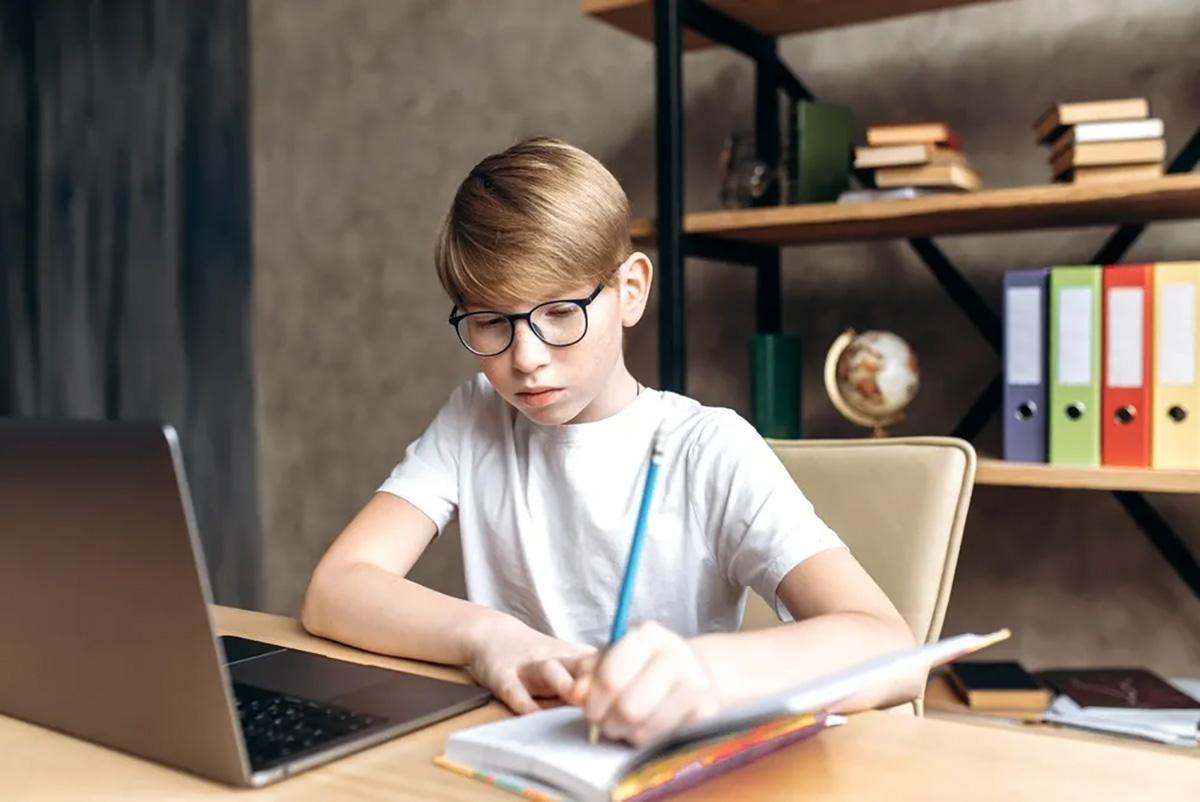
As a homeschooler, you’re in a unique position to teach your child not only academic lessons but also set family patterns. And one of the best life skills you can teach at home is dental health. When children learn the value of brushing and flossing at an early age, they will maintain healthy dental habits as adults.
At Bitesize Pediatric Dentistry, we believe oral health education should be fun and applicable, never an additional study to your lesson plan. With the right mindset you can incorporate dental care into a daily hands on lesson!
Why Oral Hygiene Education Matters
Some children see brushing as a chore to be dashed through. Once they realize the benefits of oral hygiene, everything changes! Good brushing habits can reduce cavities and gum inflammation and protect against oral hygiene issues that can land you in the periodontist’s chair years later, including periodontitis oral hygiene complications.
Help your child see that the benefit of a beautiful smile is good health. Teeth that are clean enough to chew happily, let her speak without inhibition and shine brightest in a friendly smile!
Make Dental Care Part of the Daily Schedule
Homeschooling thrives on structure. Add brushing and flossing to your daily learning plan just like math or reading. You can create a simple chart that tracks morning and evening brushing sessions. This reinforces accountability and builds consistency.
During oral hygiene summer routines, when schedules may shift, maintaining structure becomes even more important. Summer often includes snacks, travel, and social events. Keeping dental care consistent during this time protects children from preventable cavities.
Turn Brushing into a Science Lesson
Use oral care as an opportunity to explore science concepts. Explain how bacteria form plaque and how acids weaken enamel.
You can demonstrate this by placing an eggshell in vinegar overnight to show how acid affects calcium. Relating science to real life strengthens understanding and encourages responsibility.
This activity also reinforces the benefits of oral hygiene by showing how daily brushing protects teeth from damage.
Create Interactive Learning Activities
Children learn best when they actively participate. Consider these simple ideas:
To be most effective, learning should be participatory, try these concepts with your child:
1. Two Minute Challenge
Set a timer for two minutes and ask your child to brush until it beeps please. This helps him visualize how long proper brushing should last.
2. Tooth Friendly Snack Project
Research and prepare snacks that are consciously friendly to teeth. Apples, carrots and yogurt are great examples! Talk about how they assist in 4 reverse the benefits of good oral hygiene.
3. Model the Mouth
Use clay or craft goodies to create model teeth and gums. Label, enamel and gums for example. Making it visual will help him understand it much better.
Teach the Connection Between Gums and Overall Health
Explain how gum health affects the body. When children neglect brushing and flossing, plaque can build along the gumline. Over time, this can lead to inflammation and eventually serious issues such as periodontitis oral hygiene complications in adulthood.
By presenting this information clearly, you show that dental care is not only about appearance but about long term health.
Encourage Responsibility Through Leadership
Assign your child the role of dental health leader for the week. They can remind family members to brush and track daily habits. Giving children responsibility increases confidence and strengthens healthy dental habits.
You can also invite them to teach younger siblings what they have learned. Teaching others reinforces knowledge and builds pride.
Schedule Regular Dental Visits
Education at home should work alongside professional care. Regular visits to Bitesize Pediatric Dentistry provide thorough cleanings and early detection of potential concerns. During these visits, children can ask questions and deepen their understanding of the benefits of oral hygiene.
Professional guidance supports the habits you build at home and ensures your child receives comprehensive care.
Make Oral Hygiene a Lifelong Lesson
Homeschooling means you can fit science, health education, and oral care into an already busy schedule and let your child learn in a creative manner. You are developing habits that not only benefit your child now but will prepare him or her for a bright future. The goal is not just to have clean teeth, but to raise your child properly for smooth sailing into adulthood.
Realizing why good oral hygiene is essential, children will view brushing and flossing as good investments in their health as opposed to a chore.
Conclusion
Oral health education is a great fit into your home school environment. By teaching kids about the benefits of oral hygiene and what constitutes healthy dental habits, as well as keeping them on track during oral hygiene summer months you are going to achieve lasting results.
Now add Bitesize Pediatric Dentistry for not only the knowledge and professional care it takes to build strong smiles and confident futures.
Frequently Asked Questions
How can I make oral hygiene part of homeschooling?
Include brushing routines in the daily schedule and connect dental care to science and health lessons.
Why is teaching children about periodontitis oral hygiene important?
Early education helps children understand how gum disease develops and why prevention matters.
What are the benefits of good oral hygiene for children?
Healthy teeth support proper chewing, clear speech, fresh breath, and overall confidence.
How do I maintain oral hygiene summer routines?
Keep brushing and flossing consistent even when schedules change. Encourage healthy snacks and regular dental checkups.
How often should my child visit the dentist?
Schedule visits every six months unless your dentist recommends otherwise.