

There’s nothing quite like the moment your kiddo runs up, finger wiggling a bottom tooth, eyes wide with the big news. A loose tooth is exciting! It also comes with a question we hear all the time at our Williamsburg, Park Slope, and DUMBO offices: Do kids’ teeth hurt before they fall out? Most of the time, no—but it’s one of the most common questions we hear.
Short answer: a little soreness is totally normal. Here’s what’s going on in there, what’s worth watching, and when to give us a call.
Table of Contents
The Short Answer
Yes, mild discomfort is a normal part of losing baby teeth. As a baby tooth gets ready to come out, the gum around it can feel tender, itchy, or a little achy. Some kids barely notice. Others will give you a full wiggle report at breakfast, lunch, and dinner. Both are normal.
What isn’t normal: strong pain, swelling, fever, or a tooth that hurts without being loose at all. More on those below.
Why Baby Teeth Get Loose (and Whether Teeth Hurt)
Baby teeth don’t fall out because they get pushed. They fall out because they get dissolved.
As the grown-up tooth develops under the gum, your child’s body starts breaking down the root of the baby tooth sitting above it. Little by little, the root shrinks. With less root holding it in place, the tooth starts to wobble. By the time it finally comes out, most or all of the root is gone.
That’s why a freshly lost baby tooth looks like a tiny hollow shell. Parents ask us all the time: are baby teeth hollow? They aren’t hollow while they’re in the mouth. The tooth only looks that way because the root dissolved before it came out. Cool, right? (And a little weird. We get it.)
Do Loose Teeth Hurt? What ‘Normal’ Feels Like
Every kiddo is different, but these are all part of a healthy tooth loss process:
- A wiggly tooth that feels funny when your child bites or chews
- Mild gum soreness right around the loose tooth
- A tiny bit of bleeding when the tooth finally comes out (a quick rinse and a few minutes of gentle pressure with gauze takes care of it)
- An itchy feeling in the gum as the new tooth starts poking through
When to Give Us a Call
Most wiggly teeth are a wait-and-wiggle situation. But call us if you notice:
- Pain that’s more than mild, or pain that keeps your kiddo up at night
- A tooth that hurts but isn’t loose (that’s often a cavity or an injury, not tooth loss)
- Swelling, redness, or anything oozy around the gum
- A loose tooth after a fall or bump to the mouth
- A baby tooth that’s been loose for months with no progress, or one blocking a grown-up tooth coming in
- Tooth loss before age 4, which is early enough to be worth a look
Any of these deserves a proper exam, and quick visits like these are exactly what our pediatric dental cleanings and exams are for.
The Usual Timeline
Most kids lose their first baby tooth around age 6 and their last one around age 12. Teeth usually come out in roughly the same order they came in: bottom front teeth first, then top front teeth, then the rest working toward the back.
Early teethers often become early tooth losers, so if your child’s first tooth arrived ahead of schedule, don’t be surprised by an early wiggler. A year early or late is usually just your kid working on their own timeline.
What About “Shark Teeth”?
Sometimes the grown-up tooth doesn’t wait its turn and starts coming in behind the baby tooth, creating a second row that parents call shark teeth. It looks alarming. It usually isn’t.
In most cases the baby tooth loosens and falls out on its own, and the tongue naturally nudges the new tooth forward into place. If that baby tooth isn’t budging after a few weeks, bring your kiddo in. A quick look tells us whether to keep waiting or help a stubborn tooth along.
When Teeth Hurt: How to Help Your Wiggle-Toothed Kid
For the full playbook, see what to do when your child has a loose tooth. The short version:
- Let your child wiggle away with a clean finger or tongue, but no pulling before the tooth is ready
- If a tooth is hanging by a thread, a tissue and a gentle twist is plenty (please skip the doorknob tricks)
- Cold foods like yogurt or a popsicle soothe sore gums
- Keep brushing! A soft brush and gentle circles around the loose tooth keep the area clean
- Celebrate the milestone. Tooth fairy optional but highly recommended by our team
Got a Wiggly Tooth? Here’s What to Know
Q: Do baby teeth hurt before they fall out?
A: Usually no — most baby teeth come out painlessly. Mild tenderness or pressure is normal, but sharp pain isn’t. Call us if your child has significant pain.
Q: When should I worry about a loose tooth hurting?
A: If your child has swelling, bleeding, severe pain, or the tooth won’t come out after weeks, call us. These aren’t typical for natural tooth loss.
Q: What helps a loose tooth come out?
A: Let it fall out naturally. Encourage gentle wiggling with clean hands or tongue. Don’t force or pull it — let it come out on its own.
Loose Tooth? Come See the Gang
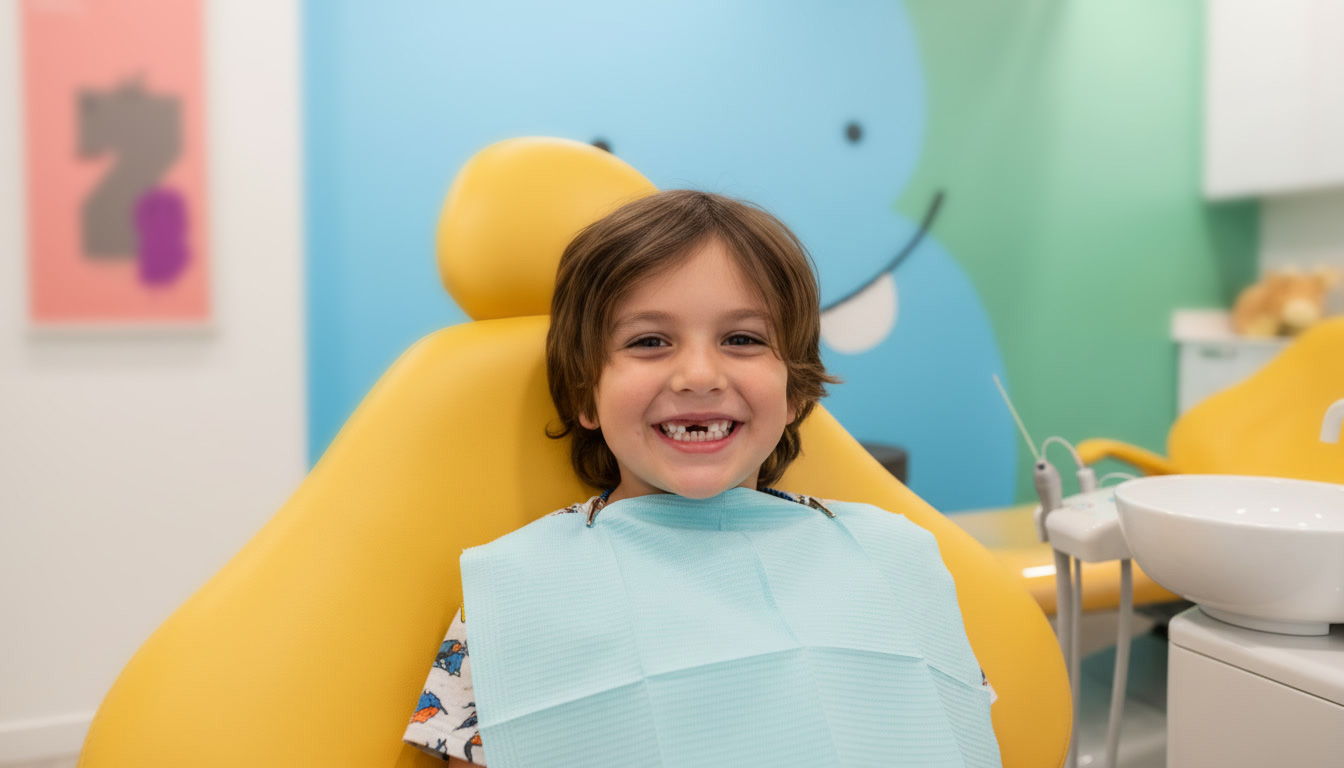
Regular checkups every six months let us track how your child’s grown-up teeth are coming in, catch anything off-schedule, and keep those brand new teeth cavity-free from day one. If your kiddo has a wiggler (or you have a question about one), book a cleaning and exam at our Williamsburg, Park Slope, or DUMBO office. Dr. Rupin, Dr. Rafay, and the whole Bitesize gang are always happy to take a look.
No drama, no tears, just tiny teeth doing their thing.